
Our entire premium
line of products.
Eight lines, chosen because we could stand in front of the person who makes each one. Every card says where it stands today, because a range you cannot actually ship is a wish list.
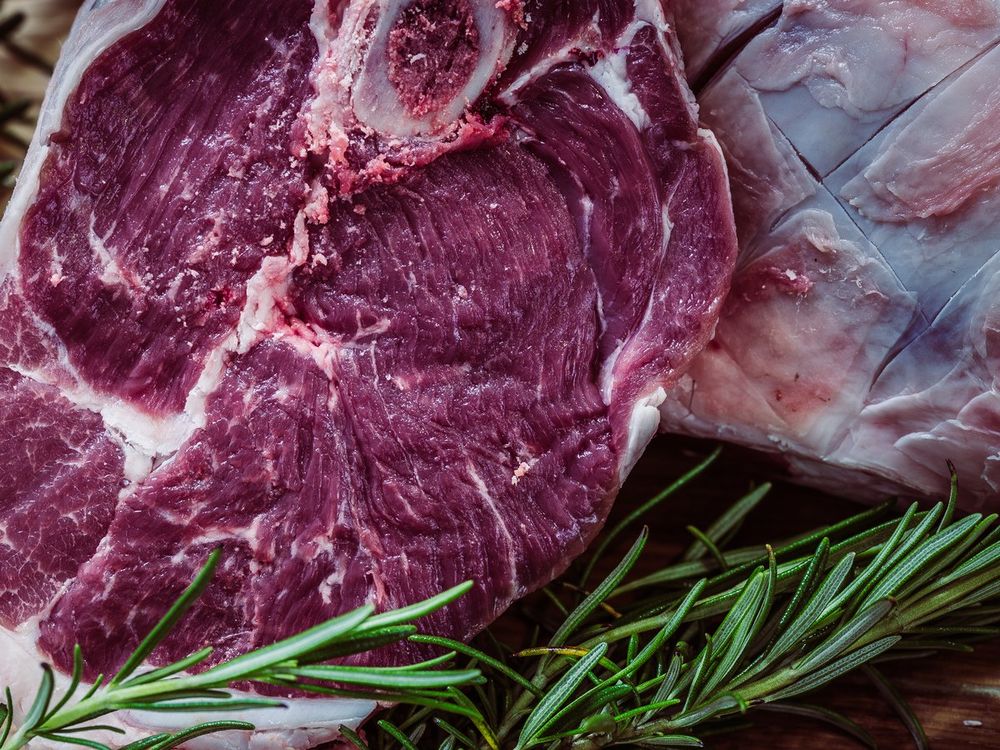
Japanese Wagyu
Black wagyu from Miyazaki, bought direct from the farm rather than through a trading house, with organic JAS certified lots available.
- GradeA5, with the beef marbling score stated separately
- OriginMiyazaki, with the farm and the establishment named on the quote
- CertificationOrganic JAS on certified lots, certifier and number stated per lot
- CarriageChilled 0 to 2 C by air, about 60 days of life, or frozen at minus 18
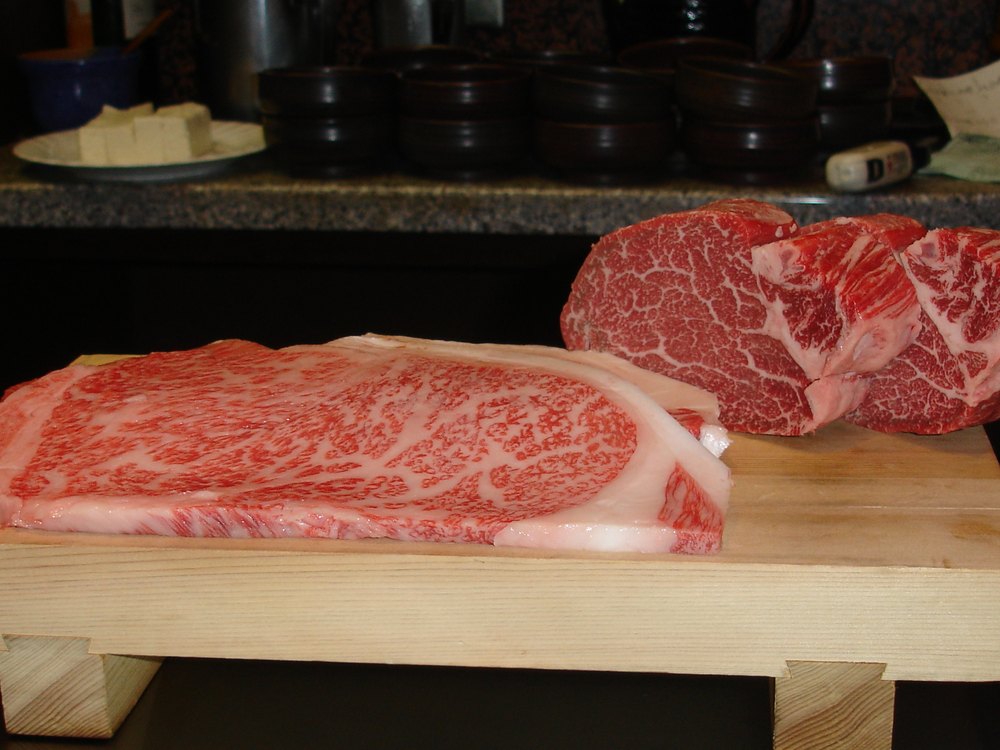
Japanese Kobe Beef
Tajima cattle born, raised and slaughtered in Hyogo, certified by the association that owns the name. The most counterfeited beef in the world, and the one with the strictest paper trail.
- BreedTajima-gyu, born, raised and slaughtered in Hyogo Prefecture
- GradeBeef marbling standard 6 or above, at yield grade A or B and quality grade 4 or above
- Carcass499.9 kg or less, and at least 270 kg for a heifer or 300 kg for a steer. Heifer or steer only, never a bull
- Age at slaughter28 to 60 months, and slaughtered at one of six meat centres in Hyogo
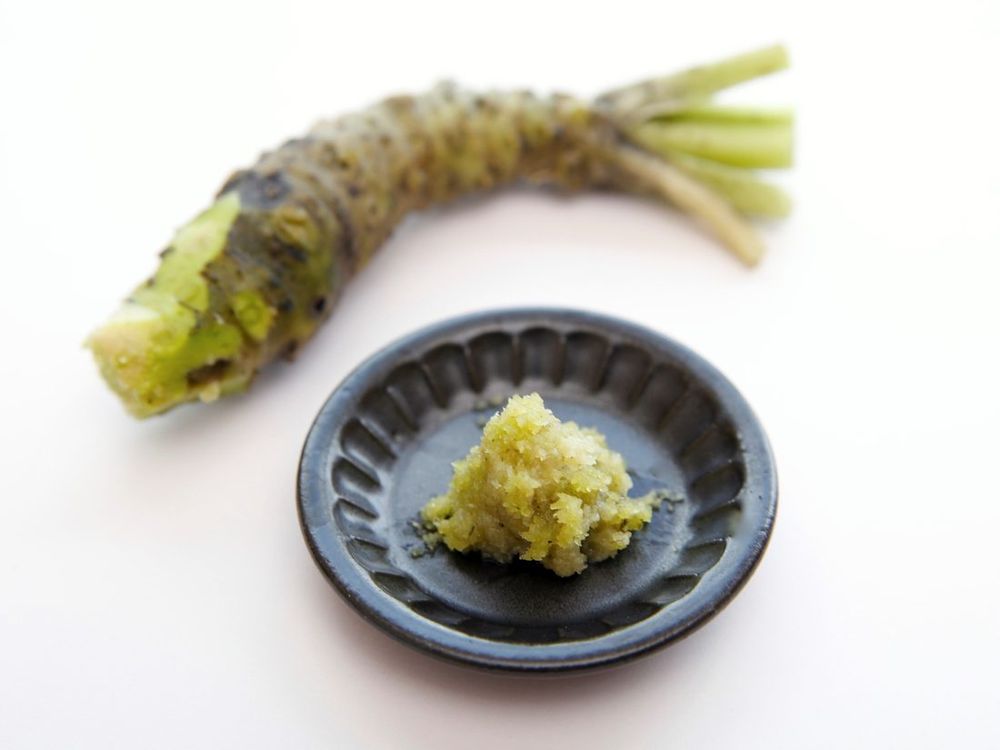
Japanese Wasabi
Water grown rhizome from a named valley. The most researched line we have and the one nobody else can reliably supply.
- SpeciesEutrema japonicum
- MethodSawa, grown standing in moving spring water on terraced beds
- Time to harvest18 to 24 months for Mazuma
- CarriageChilled, 1 to 3 C, air freight
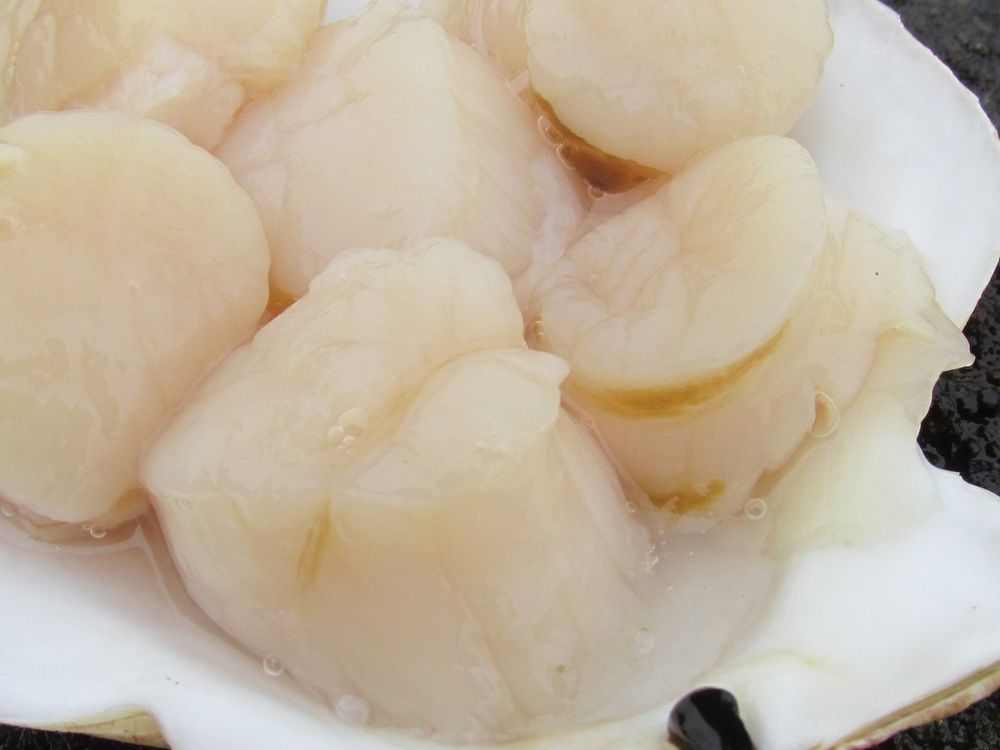
Japanese Scallop
Hokkaido adductor from the Okhotsk fishery, graded by count. The only line with a live conversation and a public price series to check it against.
- SpeciesPatinopecten yessoensis
- FisheryOkhotsk coast, Hokkaido
- FormAdductor muscle, individually quick frozen, no additives
- Grades2L at 8 to 10 per lb down to 5S at 28 to 36
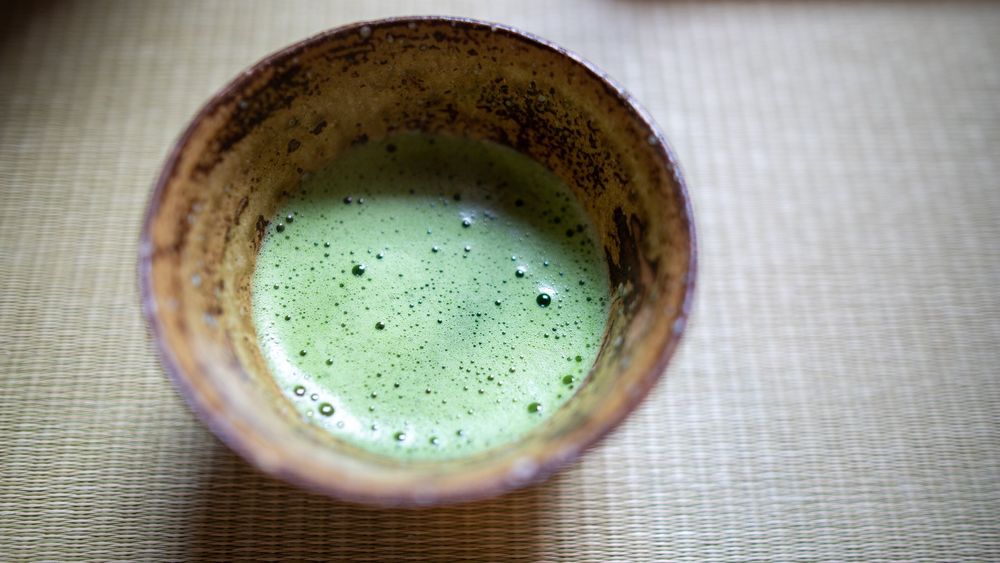
Japanese Matcha
Stone milled tencha from Uji, Nishio or Kagoshima. A market in genuine shortage, where the best makers have moved to allocation only.
- FormStone milled from tencha, shade grown
- RegionsUji in Kyoto, Nishio in Aichi, Kagoshima
- GradesCeremonial and culinary, which are different trades
- CarriageAmbient, but light and oxygen sensitive
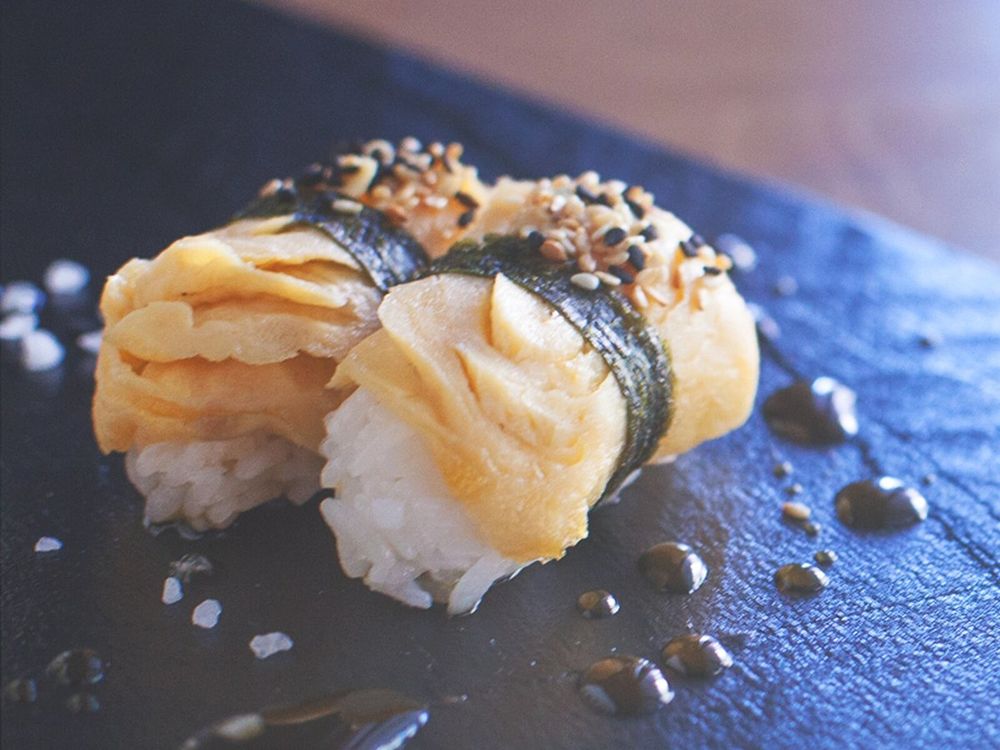
Japanese Hamachi
Japanese amberjack, farmed in Kagoshima and Nagasaki. The other half of Japan's seafood trade with the United States, so the buyer is the scallop buyer.
- SpeciesSeriola quinqueradiata
- ProductionFarmed, Kagoshima and Nagasaki
- FormFillet or loin, frozen or chilled
- CutUS buyers take a larger fillet than Japan or the EU
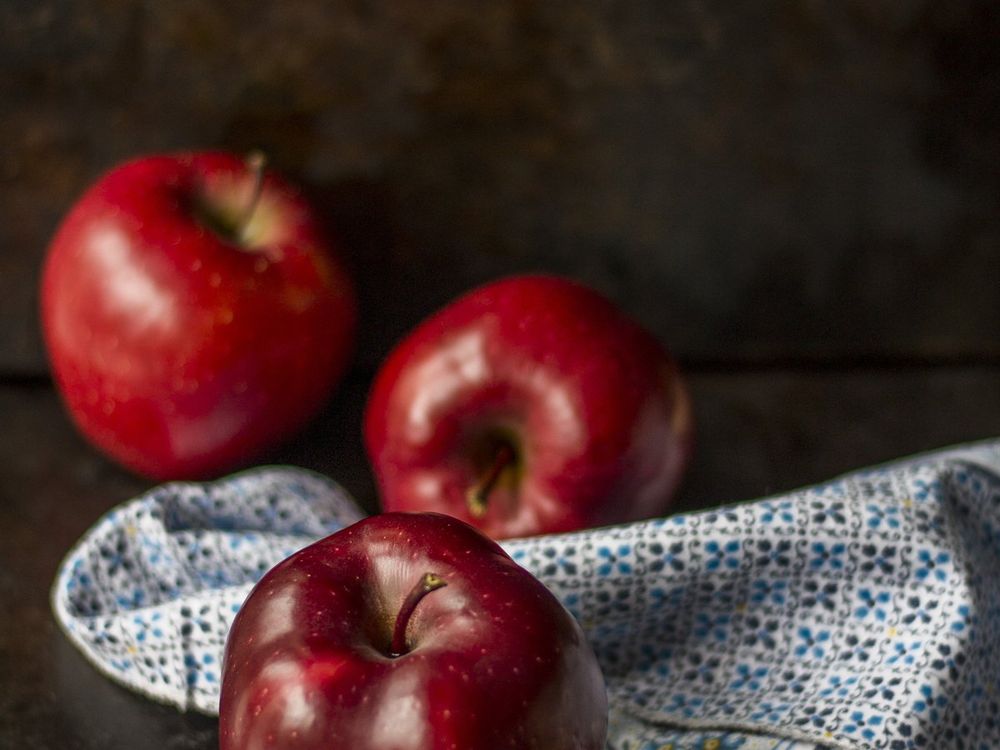
Japanese Apple
Aomori fruit, sold as a luxury gift item across Asia. Admissible to the United States, but under the heaviest treatment regime of anything we carry.
- OriginAomori, over half of Japan's crop
- VarietiesFuji and others. All Malus domestica admissible since 2010
- TreatmentCold treatment AND fumigation, APHIS supervised, in Japan
- InspectionBy an APHIS inspector and Japan's NPPO, before export
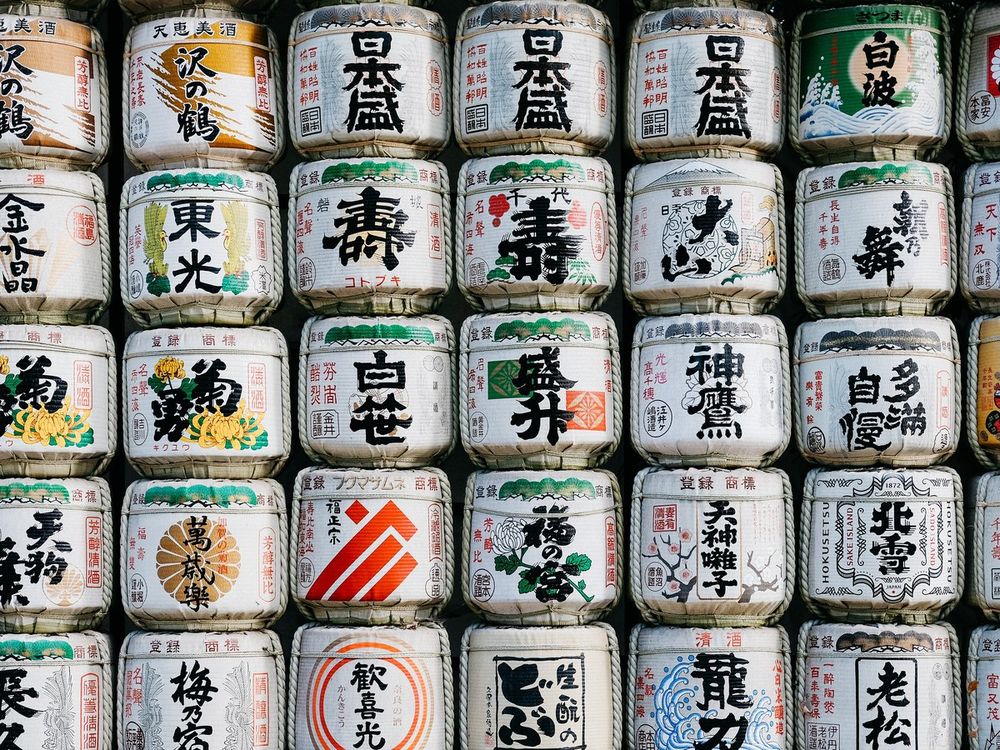
Japanese Sake
Junmai, ginjo and daiginjo from named breweries. A product we can get, into a US market that is currently shrinking.
- ClassesJunmai, ginjo, daiginjo, and the junmai forms of each
- US average export price1,360 JPY a litre, about 8.50 USD
- China average export price2,200 JPY a litre, 62 percent more
- CarriageAmbient or chilled depending on pasteurisation
Every figure on these cards is a certifying body's or a producer's own published specification, not our summary of one. Each product page names the document it came from, and links to it. Where a figure is still open, the card says so rather than filling the gap.
Tell us the line
that is giving you trouble.
Finding things in Japan is the part we are actually good at. If a line you already buy has supply that comes and goes, quality that moves between shipments, or a supplier who stops answering email in August, that is the conversation we want to have.
We will tell you what it would take to do it properly, and we will tell you if the answer is that you already have the best available.
What leaves Japan this month.
Once a month: the prices that moved, the reason they moved, and what we can allocate before it is spoken for. Written for people who buy, by the people doing the buying.
Buyers and distributors only. We do not sell the list and you can leave in one click.