
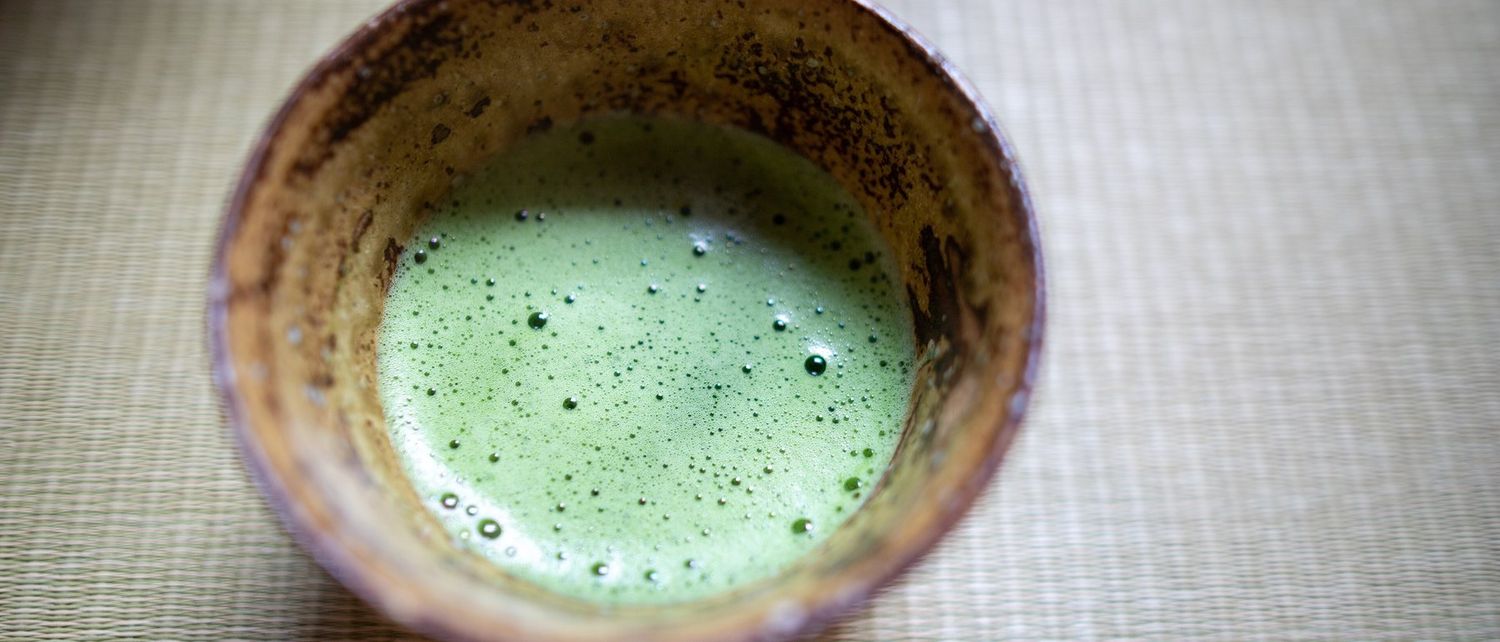
Japanese Matcha
抹茶Stone milled tencha from Uji, Nishio or Kagoshima. A market in genuine shortage, where the best makers have moved to allocation only.
Specification, not suggestion.
Everything on this page is either a published figure with a source or a gap we have written down. Nothing is a guess dressed as a fact.
Readiness: 3 of 6. We answer six questions about every line before we sell it: supply, cost, price, regulatory, buyers, margin. This one has 3 of them answered.
| Detail | What we state |
|---|---|
| Form | Stone milled from tencha, shade grown |
| Regions | Uji in Kyoto, Nishio in Aichi, Kagoshima |
| Grades | Ceremonial and culinary, which are different trades |
| Carriage | Ambient, but light and oxygen sensitive |
| Minimum | 10 to 25 kg direct from a Japanese maker |
| Customs heading | 0902.10 or 2101, depending on preparation |
What we know, and what we do not.
Most suppliers answer the first three and let you discover the other three after you have ordered. All six are here, including the ones where the honest answer is that nobody has looked yet.
| Question | Answer |
|---|---|
| Supply | THE DEFINING FACT. Uji first flush tencha production fell 40 percent across 2024 and 2025, and heritage makers have moved to allocation only sales. Japan's tea export volume still rose 42 percent to 13,125 tonnes while value more than doubled to 84.7 billion yen, which is what a shortage looks like from the outside. |
| Cost | Kyoto's Uji market closed on 31 July with machine harvested tencha averaging 17,250 JPY per kg, the highest since records began in 1996. Hand picked tencha for top ceremonial matcha passed 40,000 JPY per kg at auction. |
| Price | Uji ceremonial wholesale 250 to 500 USD per kg at a 10 to 25 kg minimum, direct from Japan. Nishio ceremonial 160 to 240 USD per kg at a 10 kg minimum. Uji sits 30 to 60 percent above other Kyoto sub regions for the same grade. |
| Regulatory | Not answered. Tea is an FDA regulated food rather than an APHIS one, so the questions are facility registration, prior notice and pesticide residue tolerances rather than a plant permit. To be confirmed. |
| Buyers | Not answered. The buyer for ceremonial matcha is not the buyer for culinary grade and the two should not be approached with one offer. |
| Margin | Not computed. The spread depends entirely on which region and grade, and the allocation problem may matter more than the margin. |
The things that turn a good price into a bad one.
Allocation
The best Uji makers are not taking new accounts on volume, they are allocating. Being early matters more than being large.
Authenticity
A shortage brings in product sold as matcha that is not. Region, maker and harvest have to be on the paperwork.
Single region risk
A Kyoto only supply plan is fragile. Pair it with Nishio or Kagoshima for resilience.
What we would need to quote this properly.
- FDA requirements and residue tolerances
- A maker who will allocate to us
- Which grade and which buyer
Sources
- Kyoto Uji tea market closing report, 31 July
- Japan tea export statistics
- Japanese matcha wholesale market reporting 2026
What leaves Japan this month.
Once a month: the prices that moved, the reason they moved, and what we can allocate before it is spoken for. Written for people who buy, by the people doing the buying.
Buyers and distributors only. We do not sell the list and you can leave in one click.